
Tired for no clear reason
Rest doesn't touch it, and the afternoon slump arrives on schedule.
Pairs often involved: vitality, iron-use
Hair mineral analysis · in plain English
Feeling off, but nothing has explained why? A small snip of hair holds a record of the minerals behind your energy, sleep and stress over recent months. Here is what it reads, and what it can show you.
01
A hair mineral analysis reads the minerals held inside a small snip of your hair. Hair grows about a centimetre a month and takes up minerals as it grows, so a few centimetres hold a record of how your body has been running: the balance behind energy, sleep and stress.
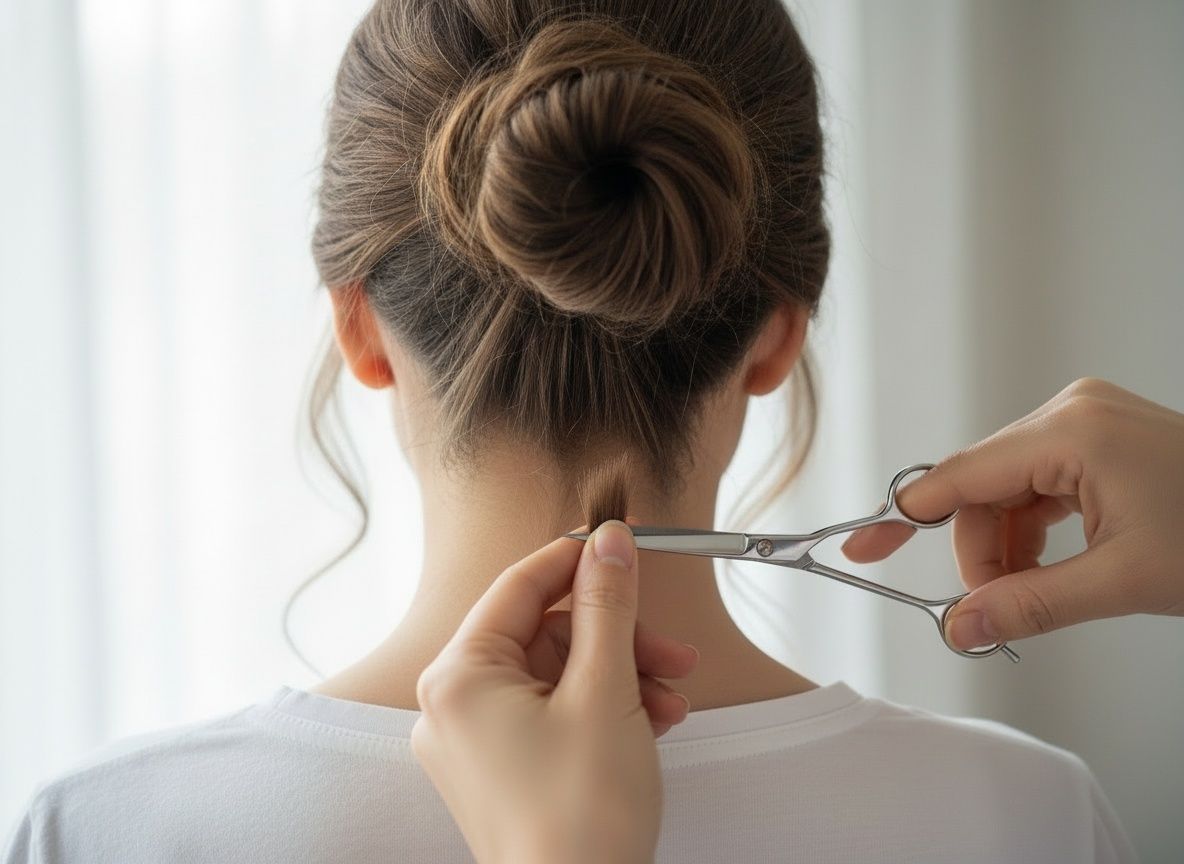
A small lock from the back of your head, cut close to the scalp.
Measured for the minerals it holds, and for toxic metals.
Each mineral against its range, the balances between them, and what they touch.
02
People usually come to a hair test when something feels off and nothing so far has explained it.
Rest doesn't touch it, and the afternoon slump arrives on schedule.
Pairs often involved: vitality, iron-use

You drop off fine, then you're awake at 3am with a busy head.
Pairs often involved: calm, stress-and-fluid

Cramps, slow recovery, and sessions that feel harder than they should.
Pairs often involved: calm, vitality

Routine bloods came back fine, but something is still off.
A longer record can show what a single moment misses
03
Minerals do two jobs that sit underneath almost everything else your body does.
Dissolved in body fluids, sodium, potassium, calcium and magnesium are . As they move through channels in the , they create the signals that fire nerves and contract muscle, your heartbeat included.
Most of your body's chemistry runs on , and many only work with a mineral attached, called a . Magnesium alone is needed for over 300 enzyme reactions, including the ones that make and spend , the molecule every cell runs on.
Because minerals sit this far upstream, a shift in their balance tends to show up in energy, sleep, nerves and muscle, often before anything else changes.
Tap one to see what it does, where you get it from, and which minerals it is balanced against.
04
Many minerals work in pairs whose effects oppose each other, so what your body responds to is the between them. Each line below is one of those pairs. Tap a mineral, then turn the dial on any of its pairs to see what changes as the balance shifts.
Inside a cell these balances shift in milliseconds. A hair test sees the longer-run version: how much of each mineral your tissues have been holding, over months.
Curious where your own balances sit? One hair sample reads every pair on this map.
See your own balances →05
Alongside the useful minerals, a hair test measures toxic metals. The body has no use for these, and some compete with useful minerals for the same places in the body. Each has typical everyday sources.
Lead
Old paint and pipes, some imported cookware and cosmetics.
Mercury
Large predatory fish such as tuna and swordfish, older amalgam fillings.
Cadmium
Cigarette smoke, including second-hand.
Aluminium
Some antacids, uncoated cookware and food additives.
Arsenic
Rice, and some private well water.
Hair can also pick up metals from outside the body, from water, products and dust. A raised reading is a reason to look at where it might be coming from, not proof of poisoning.
06
A report has four parts. Here is an example with invented values, and how to read each part.
1Minerals against their ranges
Each mineral is marked against the lab's reference range, the span most people fall within. Ranges differ between labs, so a result is read against the range printed on the same report.
2The balances between pairs
Calcium to magnesium
Tipped towards calcium. Linked with broken sleep and night cramp.
Sodium to potassium
Tipped towards potassium. Linked with feeling drained and stress biting harder.
Calcium to potassium
Tipped towards calcium. Linked with feeling flat, cold and slow to get going.
Each ratio is placed between its two minerals. The shaded middle is the balanced zone; the further the marker sits from it, the more that pair has tipped. This is often the most telling part of a report.
3Metabolic type
Slow oxidation.
Many reports also give a metabolic type, printed by the lab. In the hair-analysis model, fast oxidation means a system that tends to run hot and quick: energy in bursts, edgy, burning through food. Slow oxidation means one that tends to run cool and slow: steady but tired, cold, sluggish.
4Toxic metals
For toxic metals, lower is better, so there is no "ideal" middle: the shaded span is the acceptable zone, and anything past it is flagged.
07
An illustrative example, built on the report above, of how a reading turns into changes you can feel.
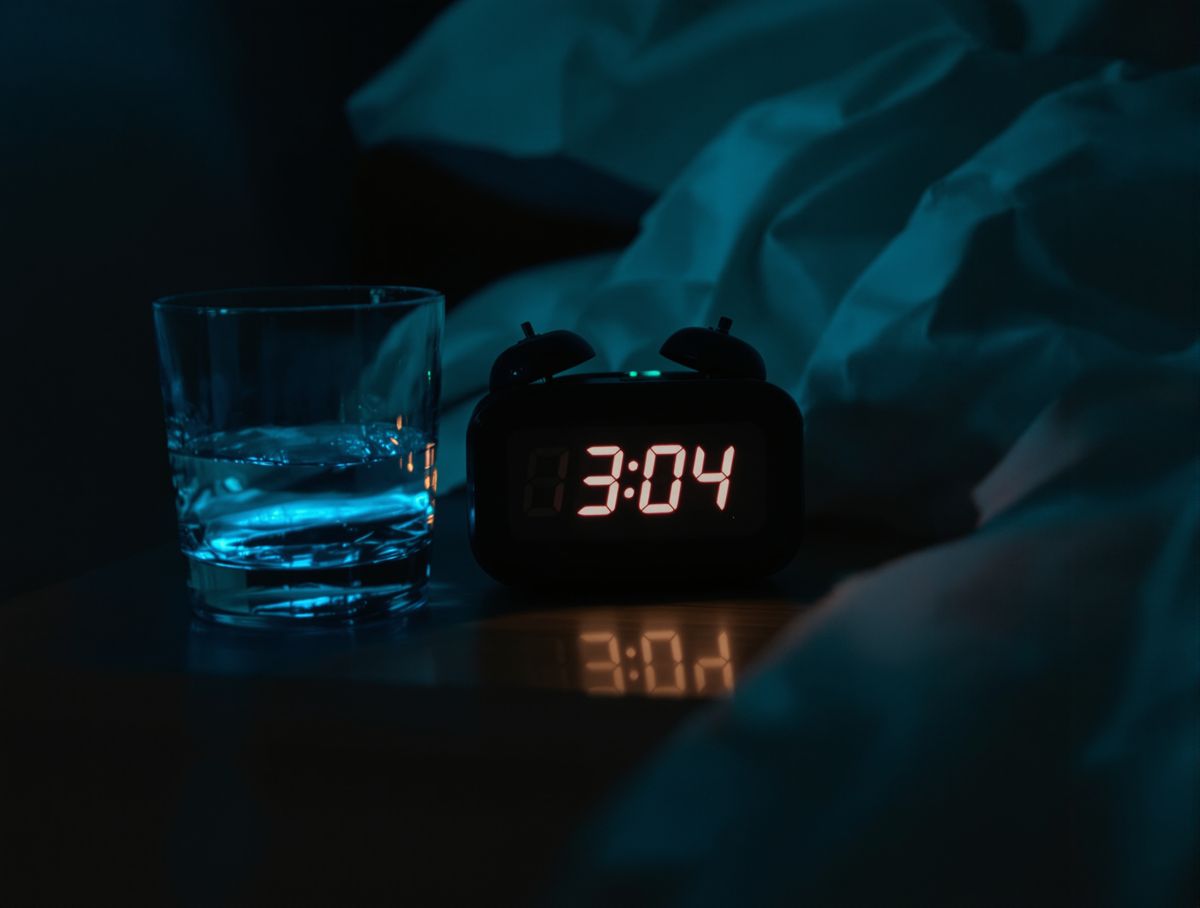
Falling asleep is easy. Staying asleep isn't, and calves cramp in the small hours.
The calm pair is out of balance, and potassium is running low against calcium too.
More magnesium-rich food such as greens, nuts and seeds, a calmer evening, and support aimed at magnesium rather than more calcium.
The calm pair has come back towards balance, and most nights now run through.
08
The reading is the start. Everything else is built around it.
Each mineral and every pair, read as how it tends to feel rather than a wall of lab numbers.
Built from your pattern, so you know what to eat more of and what is working against you.
Suggestions aimed at the pairs that have tipped, rather than piling on one mineral.
Hair records months, so retest at three to six months and see which pairs have shifted.
Anything severe, or a raised toxic metal, is worth taking to your GP as well.
09
Hair records what is inside the body, but it also picks up what touches it from outside. Knowing what skews a reading, and how to take a clean sample, makes the result more useful.
Can skew a reading
For a clean sample
Minerals run the electrics and the enzymes.
They carry the charge behind every nerve and muscle signal, and switch on the chemistry that makes energy.
Balance beats any single level.
Paired minerals oppose each other, so the ratio between them is often more telling than either number alone.
Hair shows months, not a moment.
It holds a record of recent months, read as a pattern to act on and retest.
No. It is a few strands of hair cut close to the scalp. Most people barely notice, and it leaves nothing to see.
A small amount, about a heaped tablespoon, taken from the back of the head so it does not show. Short or coloured hair can still work; the kit walks you through it.
A spread of nutrient minerals and their key ratios, alongside toxic metals. The ratios are often the most revealing part, because they show how your minerals sit in relation to each other.
Blood is a tightly controlled snapshot of a single moment; hair reflects mineral patterns laid down over recent months. See hair and blood side by side.
No. It describes a pattern, not a disease, and is best read alongside how you feel and any advice from your doctor.
Yes, entirely. The kit is posted to you, you take the sample and send it back, and your reading follows. There is nothing to attend.
Order a hair mineral analysis and get your minerals and their balances read back in plain language. Or start free: the two-minute Mineral Profile points to the same pairs from how you feel.
Or explore the mineral guides, one deficiency at a time.